

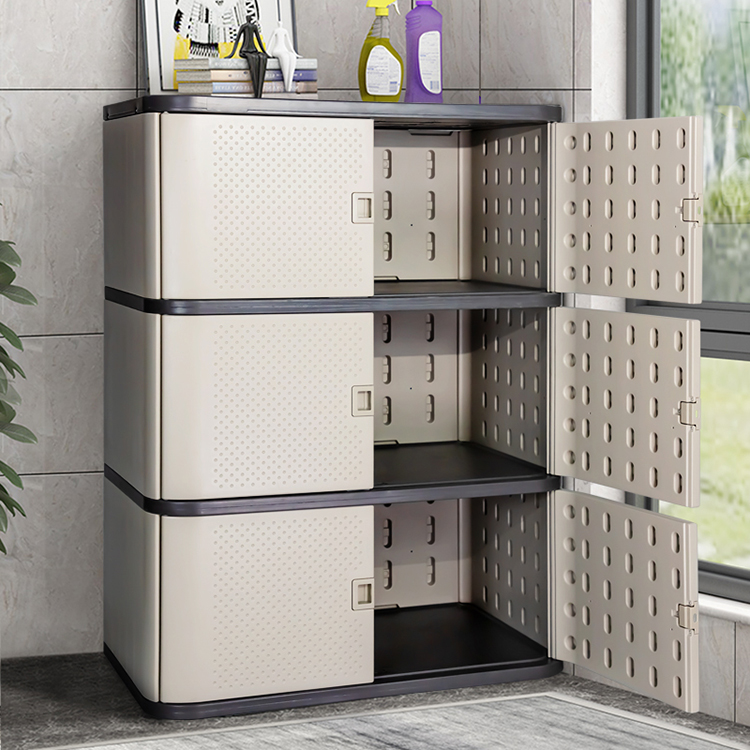
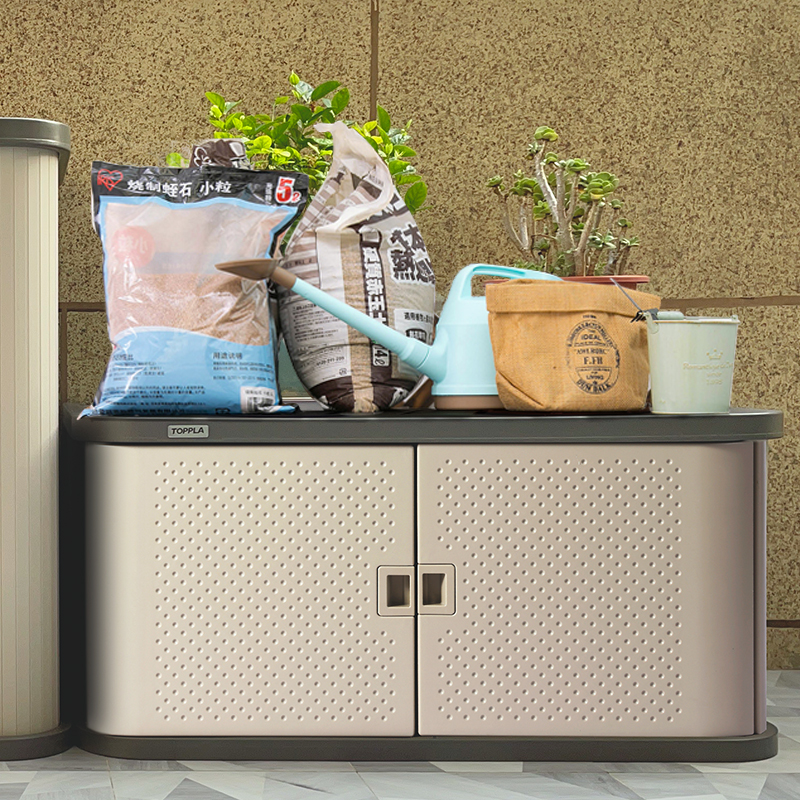
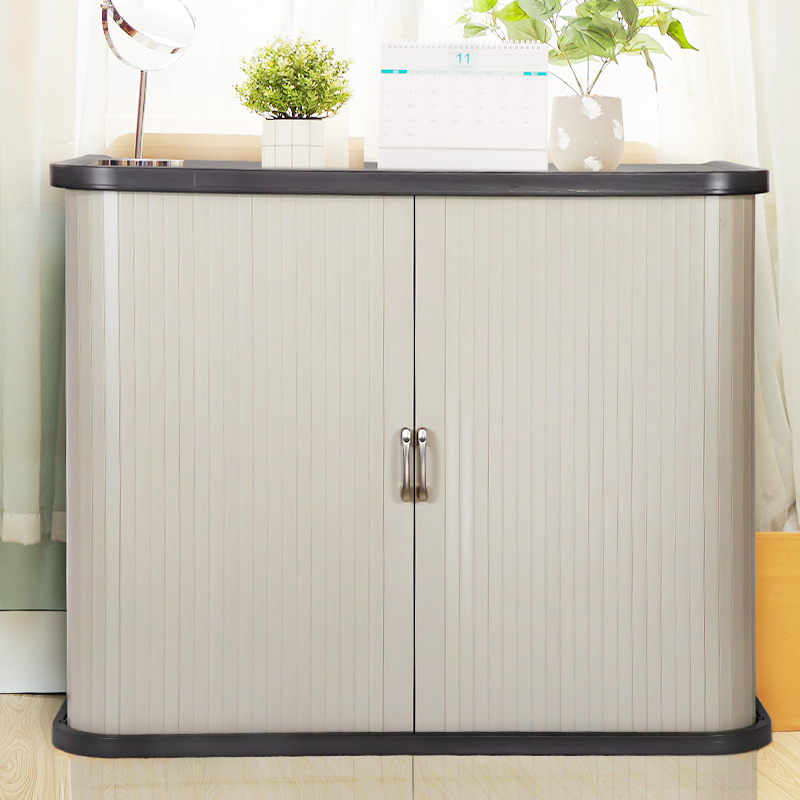
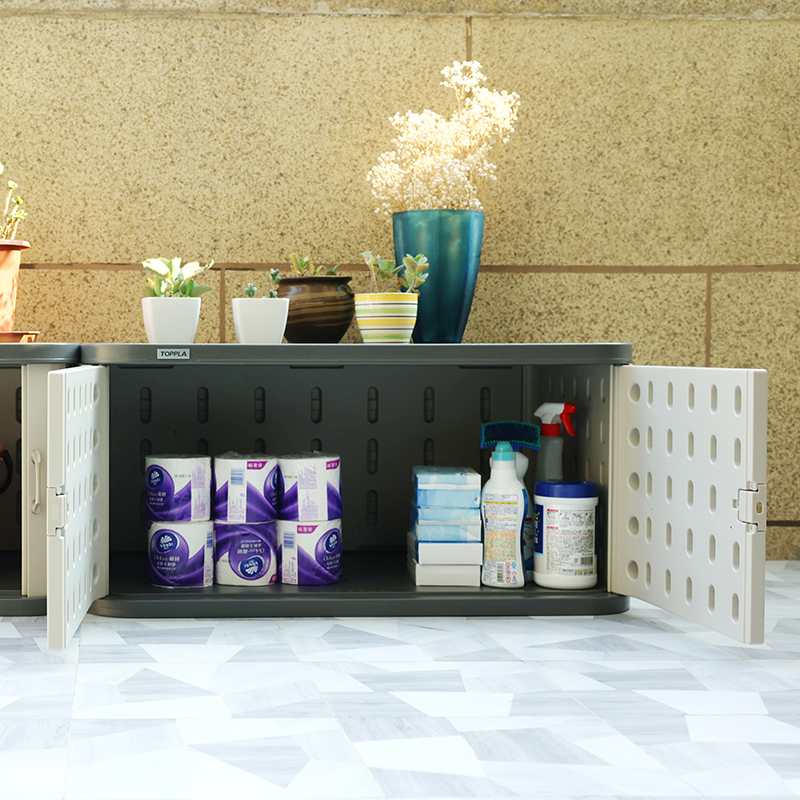
Mengapa Pemilihan Loker Sekolah Berbeza daripada Pembelian Perabot Biasa
Loker Sekolah digunakan secara kasar, selalunya oleh ratusan atau ribuan pelajar. Ia tidak dikendalikan seperti perabot rumah. Pelajar membuka pintu dengan sebelah tangan sambil memegang buku. Beg ditolak masuk dengan cepat. Kasut, tuala basah, pakaian sukan, botol air, kotak makan tengah hari dan elektronik mungkin berakhir di dalam kabinet yang sama.
Di sesetengah sekolah, loker diletakkan di koridor yang kering. Di sekolah lain, ia terletak di tepi kolam renang, pancuran mandian gim, laluan pejalan kaki luar atau kampus pesisir pantai yang sentiasa ada kelembapan. Produk yang sama tidak dapat berfungsi dengan baik di setiap lokasi.
Kami telah melihat pembeli memesan satu model loker standard untuk seluruh kampus kerana ia memudahkan perolehan. Selepas pemasangan, koridor bilik darjah baik-baik saja, tetapi bilik persalinan sukan menjadi masalah. Loker tidak mempunyai pengudaraan yang cukup, pasukan pembersihan mengadu tentang bau, dan sekolah terpaksa menggantikan sebahagian projek lebih awal daripada yang dijangkakan.
Itulah sebabnya pemilihan loker sekolah harus bermula dari arena penggunaan sebenar.
Sebelum bercakap tentang warna, harga atau kuantiti, pembeli harus bertanya:
Di manakah loker akan dipasang?
Siapa yang akan menggunakannya?
Barang-barang apa yang akan disimpan di dalamnya?
Adakah kawasan itu kering, basah atau separa terbuka?
Berapa kerapkah loker akan digunakan setiap hari?
Adakah sekolah akan menguruskan kunci, kod atau kad RFID?
Adakah pelajar akan beralih antara kelas dengan cepat di kawasan itu?
Bolehkah pasukan pembersihan mengakses bahagian bawah loker dan ruang sekitarnya?
Ini adalah soalan asas, tetapi ia dapat mengelakkan kesilapan yang mahal.
Mengapa Banyak Sekolah Memilih Loker Plastik Sekarang
Loker keluli tradisional masih biasa digunakan. Ia biasa, mudah dibandingkan, dan selalunya kelihatan lebih murah pada sebut harga pertama. Untuk kawasan dalaman yang kering dengan penggunaan sederhana, ia masih boleh digunakan.
Masalahnya bermula apabila persekitaran lembap, sesak atau kasar.
Loker logam mungkin berkarat. Cat boleh terkopek. Kemek sukar dibaiki dengan kemas. Bunyi pintu boleh menjadi menjengkelkan di koridor yang sibuk. Jika loker rosak, tepi tajam mungkin muncul. Di kolam renang, gimnasium, sekolah pesisir pantai dan kawasan pancuran mandian, karat selalunya bukan persoalan "jika". Ia lebih kepada persoalan "bila".
Inilah salah satu sebab lebih ramai sekolah dan pembeli projek kini mempertimbangkan loker plastik.
Loker plastik HDPE digunakan secara meluas untuk persekitaran basah, trafik tinggi dan penggunaan berat kerana HDPE mempunyai rintangan yang kuat terhadap air, kakisan dan hentaman. Loker plastik ABS juga digunakan di banyak kawasan sekolah dan pejabat dalaman, terutamanya di mana pembeli memerlukan penampilan yang bersih, struktur yang lebih ringan dan bajet yang terkawal.
Inilah bahagian yang jujurnya. Loker plastik tidak semuanya sama. Loker plastik murah yang diperbuat daripada bahan yang lemah atau struktur yang lemah masih boleh rosak. Pembeli tidak sepatutnya mendengar perkataan "plastik" dan menganggap semuanya kalis air, tahan lama dan sesuai untuk kegunaan sekolah.
Bahan penting. Ketebalan penting. Struktur pintu penting. Kedudukan kunci penting. Pembungkusan juga penting.
Loker Plastik HDPE: Di Mana Ia Masuk Akal
Loker plastik HDPE biasanya merupakan pilihan yang tepat untuk projek sekolah yang mementingkan kelembapan, impak dan penggunaan jangka panjang.
Kami sering mengesyorkan HDPE untuk:
Bilik persalinan gimnasium sekolah
Bilik persalinan kolam renang
Pusat sukan
Kawasan simpanan asrama
Koridor luar atau separa luar
Sekolah-sekolah pesisir pantai
Kawasan pelajar yang mempunyai trafik tinggi
Pusat latihan perindustrian
Bilik kakitangan kawasan basah
Kelebihan terbesar bukan sahaja HDPE tahan air. Ia juga berfungsi dengan baik di tempat-tempat di mana loker digunakan tanpa banyak kesabaran. Pelajar tidak membuka dan menutup pintu dengan lembut setiap kali. Pasukan pembersihan mungkin kerap mencuci lantai. Peralatan sukan mungkin terkena permukaan loker. Kasut basah mungkin disimpan di dalam selama berjam-jam.
Dalam kes ini, loker plastik HDPE biasanya memberikan pembeli lebih sedikit masalah penyelenggaraan berbanding loker logam.
Satu isu yang kami lihat dalam projek luar negara ialah ubah bentuk pintu yang disebabkan oleh pemilihan bahan yang lemah atau panel pintu yang nipis. Pembeli berpendapat semua loker HDPE adalah serupa kerana sebut harga menggunakan kata kunci yang sama. Selepas penghantaran dan pemasangan, jurang pintu menjadi tidak sekata. Punca utamanya bukanlah "HDPE" itu sendiri. Ia adalah struktur dan kawalan pengeluaran di sebaliknya.
Jadi apabila pembeli membandingkan loker plastik HDPE, mereka harus bertanya tentang ketebalan panel, tetulang pintu, reka bentuk engsel, rintangan UV jika diperlukan dan perlindungan pembungkusan.
Loker Plastik ABS: Lebih Baik untuk Projek Dalaman yang Tepat
Loker plastik ABS boleh menjadi pilihan praktikal untuk sekolah, pejabat, pusat latihan dan bilik kakitangan di mana persekitarannya kebanyakannya kering dan tekanan penggunaannya tidak ekstrem.
Loker ABS selalunya mempunyai permukaan yang bersih dan penampilan yang kemas. Ia boleh berfungsi dengan baik di bilik guru, kawasan pejabat, kawasan sokongan bilik darjah dan zon penyimpanan pelajar yang ringan hingga sederhana.
Bagi pembeli yang mahukan loker plastik pejabat atau loker plastik sekolah dengan rupa yang ringkas dan kos yang berpatutan, ABS mungkin sesuai.
Tetapi di sinilah pembeli perlu berhati-hati.
Loker plastik ABS tidak selalunya pilihan terbaik untuk kolam renang, bilik mandi, koridor luar atau kawasan pelajar yang sangat kasar. Jika projek tersebut mempunyai cahaya matahari yang kuat, kelembapan yang tinggi, hentaman yang kerap atau bahan kimia pembersih, pembeli harus menyemak gred bahan dan had aplikasi dengan sangat jelas.
Loker boleh kelihatan baik di dalam bilik sampel tetapi masih salah untuk tapak akhir.
Kami telah melihat masalah ini dengan perabot sekolah berkali-kali. Sampel tersebut lulus pemeriksaan visual. Semua orang berkata, “Nampak bagus.” Kemudian produk dipasang di kawasan basah atau panas, dan selepas beberapa bulan aduan itu bermula. Warna berubah. Pintu terasa kurang stabil. Calar permukaan menjadi lebih jelas.
Itu tidak bermakna ABS itu buruk. Ini bermakna ABS harus digunakan di tempat yang betul.
Loker Plastik Tugas Berat untuk Kegunaan Sekolah Berkerap Tinggi
Sesetengah kawasan sekolah lebih ketat untuk loker.
Bilik gim. Asrama. Sekolah berasrama penuh. Pusat latihan awam. Kemudahan sukan. Kampus besar dengan beribu-ribu pelajar.
Di tempat-tempat ini, loker plastik tugas berat biasanya lebih selamat daripada kabinet tugas ringan. Kekerapan pembukaan harian adalah lebih tinggi. Kemungkinan hentaman adalah lebih tinggi. Kerosakan kunci lebih berkemungkinan. Pelajar boleh menyimpan beg galas, topi keledar, kasut, pakaian seragam dan peralatan sukan yang berat bersama-sama.
Loker plastik tugas berat harus mempunyai panel pintu yang lebih kuat, struktur badan yang stabil, sokongan engsel yang andal, pengudaraan yang baik dan keserasian kunci.
Jangan menilai tugas berat hanya berdasarkan perkataan dalam katalog. Mintalah butiran sebenar.
Contohnya:
Bagaimanakah pintu itu disokong?
Adakah kawasan engsel diperkukuh?
Adakah pintu akan kekal sejajar selepas dibuka berulang kali?
Bolehkah barisan loker kekal stabil selepas pemasangan?
Adakah tapaknya mudah dibersihkan?
Bolehkah kawasan kunci menahan tarikan atau penggunaan kasar?
Adakah pembungkusan melindungi sudut pintu semasa penghantaran kontena?
Soalan-soalan ini kedengaran mudah, tetapi ia mendedahkan pemahaman sebenar pembekal tentang projek sekolah.
Aplikasi Loker Sekolah Biasa
Koridor Bilik Darjah
Loker koridor biasanya menyimpan buku, beg, jaket, komputer riba dan barangan pelajar harian. Isu terbesar ialah perancangan ruang.
Jika loker terlalu dalam, koridor menjadi sesak. Jika loker terlalu kecil, pelajar tidak dapat menggunakannya dengan betul. Jika buaian pintu tidak dipertimbangkan, pelajar akan menghalang satu sama lain semasa pertukaran kelas.
Bagi pelajar yang lebih muda, ketinggian loker yang lebih rendah biasanya lebih mudah. Bagi pelajar sekolah menengah, ruang penyimpanan yang lebih besar mungkin diperlukan. Bagi universiti, keselamatan dan ketahanan kunci menjadi lebih penting.
Dalam projek koridor, kami biasanya memberi perhatian kepada:
Kedalaman loker
Arah pembukaan pintu
Lebar koridor
Aliran trafik pelajar
Pemasangan dinding
Sistem penomboran
Perancangan warna berasaskan gred
Pelepasan melarikan diri dari kebakaran
Kami telah melihat projek di mana produk loker boleh diterima, tetapi susun aturnya salah. Selepas pemasangan, pihak sekolah mendapati pelajar terpaksa berdiri mengiring ketika membuka pintu di koridor yang sempit. Itu bukan isu kualiti produk. Ia adalah isu perancangan.
Bilik Persalinan Gim
Loker gimnasium mengendalikan peluh, pakaian basah, kasut, pakaian seragam, beg dan kadangkala penggunaan yang lebih kasar. Pengudaraan menjadi lebih penting di sini daripada yang dijangkakan oleh ramai pembeli.
Loker yang tertutup mungkin kelihatan kemas, tetapi aliran udara yang buruk boleh menyebabkan bau. Sebaik sahaja bau menjadi aduan harian, sekolah perlu meluangkan lebih banyak masa untuk membersihkan dan menguruskan kawasan tersebut.
Keputusan loker terbaik bermula dari segi penggunaan. Bukan gambar katalog. Bukan sahaja harga terendah.
Apabila pembeli memahami persekitaran, tingkah laku pengguna, pengurusan kunci, keperluan pengudaraan dan risiko penghantaran, memilih loker plastik sekolah yang betul menjadi lebih mudah. Bagi pengimport, pengedar dan pembeli OEM/ODM, di sinilah juga pengeluar loker plastik profesional boleh mencipta nilai sebenar — bukan dengan menjual kabinet, tetapi dengan membantu pembeli mengelakkan masalah sebelum ia berlaku.
Moisture resistance
Stronger doors
Good ventilation
Easy cleaning
Stable base
Rust-free structure
Lock options suitable for students or visitors
One small detail: the locker bottom matters. If the base traps dirt or water, cleaning becomes difficult. This is often noticed only after installation.
Swimming Pool and Shower Areas
Swimming pool lockers are one of the clearest cases for HDPE plastic lockers.
Metal lockers may rust. Wood may swell. Low-grade plastic may fade or become brittle if the material is not suitable. The locker must handle wet floors, damp towels, water vapor, cleaning chemicals, and sometimes sunlight.
For wet areas, buyers should check:
Water resistance
UV resistance if there is sunlight
Ventilation
Drainage around the locker area
Lock material
Hinge structure
Cleaning chemical resistance
Anti-rust hardware
This is not a place where the buyer should simply choose the cheapest locker.
We’ve seen rust complaints appear very quickly in wet changing rooms when buyers used ordinary painted steel lockers. At first, the project saved money. Later, maintenance and replacement cost more than the original saving.
Teacher Rooms and Staff Areas
Teacher rooms and staff areas usually need a cleaner and more professional appearance. Storage items may include bags, documents, laptops, lunch boxes, uniforms, or personal belongings.
Here, office plastic lockers can work very well. The design can be quieter, cleaner, and more furniture-like. The locker does not always need the strongest heavy-duty structure, but it should still be stable and easy to clean.
For staff areas, buyers often care about:
Privacy
Lock reliability
Internal shelf space
Clothes hanging space
Color matching
Quiet door movement
Name tag or number label
Long-term appearance
In many school projects, using different lockers for student areas and staff areas gives a better result than forcing one design across the whole campus.
Dormitories and Boarding Schools
Dormitory lockers are different again. Students store belongings for a longer time. Privacy matters more. The locker may hold clothes, shoes, electronics, books, bedding, or personal items.
For dormitory use, buyers usually need larger capacity and stronger security.
A practical dormitory locker may include:
Full-height storage
Internal shelf
Hanging rod
Shoe space
Ventilation
Stronger lock system
Anti-tamper door structure
Durable hinge area
Lock choice becomes very important here. Key locks are simple, but keys get lost. Combination locks avoid keys, but students forget codes. Digital locks are convenient, but batteries and management rules must be planned.
No lock system is perfect. The right lock is the one the school can manage every day.
Product Parameters Buyers Should Confirm
A proper school locker inquiry should not only say, “Please quote plastic lockers.”
That is too vague.
A better inquiry gives the supplier enough information to recommend the right structure and material.
Buyers should confirm:
Product use area: classroom, corridor, gym, dormitory, pool, staff room
Material: HDPE, ABS, or other plastic material
Locker structure: single-tier, two-tier, three-tier, six-door, wardrobe type
Size: height, width, depth
Door design: solid door, ventilated door, label holder
Lock type: key lock, padlock hasp, combination lock, RFID lock, digital lock
Color: standard color or custom school color
Logo: printed logo, label, or molded branding
Installation method: freestanding, wall-fixed, floor-fixed, modular row
Packaging: carton, pallet, corner protection, export packing
Quantity and delivery schedule
Required certification or test standard, if any
For importers and distributors, these details affect not only the first order but also repeat sales. If the locker model is stable, color is consistent, and packaging is reliable, it becomes easier to build a long-term product line.
Manufacturing Details That Often Decide Quality
A school locker may look simple after assembly. But factory control behind the product is what decides whether the locker stays stable after shipping and daily use.
Material Control
The factory should use the right material for the right application. HDPE for wet and heavy-use areas. ABS for suitable indoor areas. If UV exposure is expected, that should be discussed early.
Material color should also be controlled carefully. For large school projects, color difference between batches can look very obvious after installation.
We’ve seen buyers receive lockers from mixed batches where the color looked slightly different under indoor lighting. Not a huge quality failure, but enough to make the project look unprofessional.
Door and Hinge Assembly
Doors are where many problems start.
A weak hinge area can make the door loose. Poor gap control makes the locker look cheap. A badly positioned lock hole can make daily use annoying. If the door does not close smoothly, students will force it, and the problem gets worse.
During production, the supplier should check door alignment, hinge stability, lock position, and opening feel.
Lock Compatibility
The lock is small, but it creates many after-sales problems.
A school may order hundreds or thousands of lockers. If the lock system is not easy to manage, the school staff will complain later.
Before placing the order, buyers should consider:
How many users will share the lockers?
Will students keep the same locker all year?
Will the locker be used temporarily?
Who manages lost keys?
Can the school reset codes?
Are spare locks available?
Is the lock suitable for wet areas?
A lock chosen only by price can become the most annoying part of the project.
Export Packaging
This part is often ignored until damage happens.
Plastic lockers may be lighter than metal lockers, but they still need proper protection during long-distance shipping. Container loading, vibration, stacking pressure, and forklift handling can damage corners, doors, locks, or surface finish.
We’ve seen good products arrive with damaged corners because the carton was too weak. The buyer then thinks the product quality is poor, even though the real problem was packaging design.
For export orders, buyers should ask about:
Carton strength
Corner protection
Pallet packing
Product labeling
Spare parts packing
Installation manual
Loading method
Protection for doors and locks
For B2B importers, packaging is part of product quality. Your customer sees the package before they see the locker.
Common Mistakes Buyers Make
Choosing Only by Price
Large school projects can be price-sensitive. That is normal. But choosing the lowest price without checking material, thickness, lock quality, and packaging often creates higher costs later.
A low-price locker that fails early is not cheap.
Ignoring the Installation Environment
A locker for a dry classroom corridor is not the same as a locker for a swimming pool changing room. Use environment should decide material and structure.
Forgetting Ventilation
Ventilation is not a decoration. It affects odor, hygiene, and cleaning work. Gym, dormitory, and sports lockers need good airflow.
Using the Wrong Lock System
Different school users need different lock systems. Younger students may need simple keys or padlocks. Universities may prefer digital or RFID locks. Visitor lockers may need temporary-use locks.
The wrong lock creates daily management trouble.
Not Checking Door Stability
The door is used most often. If the door feels weak in the sample, it will not become better after mass production.
Ignoring Packaging
Many locker complaints are not caused by the material itself. They come from shipping damage. Export packaging should be discussed before order confirmation, not after damage occurs.
How Importers and Distributors Can Sell School Plastic Lockers Better
For importers and distributors, school plastic lockers can be positioned as a practical alternative to traditional metal lockers, especially for schools that care about maintenance and wet-area performance.
But the selling message should be specific.
Do not only say:
“Our lockers are strong, waterproof, and durable.”
Every supplier says that.
A better message is:
“For gym changing rooms and swimming pool areas, HDPE plastic lockers help schools reduce rust, odor, repainting, and wet-area maintenance problems.”
That sentence speaks to a real buyer problem.
For B2B SEO, product pages and blogs can target keyword groups such as:
School Locker
school plastic lockers
HDPE plastic lockers
ABS plastic lockers
heavy duty plastic lockers
office plastic lockers
plastic locker manufacturer
school locker supplier
OEM plastic locker manufacturer
plastic lockers for schools
waterproof lockers for school changing rooms
plastic lockers for dormitories
gym plastic lockers for schools
Buyers searching these terms are usually not just reading casually. Many of them are comparing suppliers, preparing tenders, building product catalogs, or looking for OEM and ODM manufacturing support.
So the page should sound like a supplier who understands projects, not just a seller showing product photos.
OEM and ODM Options for School Locker Buyers
Many brands, distributors, and project contractors need more than standard lockers. They need products that match their local market.
OEM and ODM customization may include:
Locker size
Door color
Body color
Logo
Label holder
Number plate
Lock type
Ventilation pattern
Shelf layout
Packaging design
User manual
Carton mark
Product label
Project-based configuration
Small customization, such as color, logo, lock type, or packaging, is usually easier to manage. Full structure changes may require mold discussion, higher MOQ, and longer sample time.
This is where communication with the factory becomes important.
A serious buyer should share the project environment, target market, required price level, quantity plan, and expected sales channel. With that information, the manufacturer can recommend a more realistic product solution.
Quick Buyer Checklist Before Ordering
Before confirming a School Locker order, buyers can use this checklist.
Is the locker for students, teachers, staff, or visitors?
Will it be used indoors, outdoors, or in a wet area?
Should the material be HDPE or ABS?
Does the project need heavy duty plastic lockers?
How much storage space does each user need?
Is ventilation required?
What lock system is easiest for the school to manage?
Does the school need custom colors or logos?
Can the supplier keep color consistent for repeat orders?
Is the export packaging strong enough?
Are spare locks and accessories available?
Can the supplier support OEM or ODM requirements?
This checklist looks basic, but it helps buyers avoid many common mistakes.
FAQ About School Locker Buying
1. What material is best for a School Locker?
For wet areas, high-traffic corridors, gyms, and dormitories, HDPE plastic lockers are usually a strong choice. For dry indoor areas, ABS plastic lockers can also work well when the use intensity is moderate and the buyer wants a clean appearance with controlled cost.
2. Are plastic lockers suitable for schools?
Yes. Plastic lockers are suitable for schools, especially when buyers need rust resistance, moisture resistance, easy cleaning, safer edges, and lower maintenance. The key is choosing the right plastic material and structure for the actual school area.
3. Are HDPE plastic lockers better than metal lockers?
In wet or humid environments, HDPE plastic lockers usually perform better than metal lockers because they do not rust. In dry areas, metal lockers can still be used, but schools should compare long-term maintenance cost, not only the first purchase price.
4. Where should ABS plastic lockers be used?
ABS plastic lockers are suitable for dry indoor spaces such as classrooms, teacher rooms, office areas, and light-to-medium student storage areas. They are not always the best option for wet, outdoor, or very rough environments.
5. What are heavy duty plastic lockers used for?
Heavy duty plastic lockers are used in high-frequency environments such as school gyms, dormitories, sports centers, swimming pools, industrial training centers, and busy changing rooms. They are designed for stronger impact resistance and longer service life.
6. Can school plastic lockers be customized?
Yes. Buyers can customize size, color, logo, lock type, label holder, numbering, ventilation design, internal layout, and packaging. OEM and ODM customization is common for importers, distributors, and project contractors.
7. What lock is best for school lockers?
There is no single best lock for every school. Key locks are simple. Padlock hasps are flexible. Combination locks avoid key loss. RFID and digital locks are convenient but need better management. The right choice depends on student age, school rules, and maintenance ability.
8. How should importers choose a school locker manufacturer?
Importers should check material quality, production stability, door structure, lock options, sample quality, packaging strength, customization ability, delivery control, and after-sales support. A real manufacturer should understand project use, not only product quotation.
Final Thoughts
A School Locker is a small product in a large campus project, but it creates daily contact with students, teachers, cleaners, and facility managers. If the locker is wrong, people notice quickly.
For dry indoor areas, ABS plastic lockers and office plastic lockers can be practical. For gyms, swimming pools, dormitories, coastal schools, and heavy-use student areas, HDPE plastic lockers and heavy duty plastic lockers are usually safer long-term choices.
The best locker decision starts from the use scene. Not the catalog photo. Not only the lowest price.
When buyers understand the environment, user behavior, lock management, ventilation needs, and shipping risks, choosing the right school plastic locker becomes much easier. For importers, distributors, and OEM/ODM buyers, this is also where a professional plastic locker manufacturer can create real value — not by selling a cabinet, but by helping the buyer avoid problems before they happen.